Scott Heberling is a Bellevue resident who has embraced native plant gardening. His story reflects the learning curve that many of us have experienced in making these changes in our own yards. Wild Ones spoke with Scott to learn about his passion for native plants.
When did you first learn about native plant gardening?
It all started with a webinar about 10 years ago, which focused on the importance of native plants to birds. It was either Audubon or the Western PA Conservancy that hosted the webinar. I remember that the person giving the talk stated that non-native plants might as well be made out of plastic for all the good they were doing for birds and insects; everything had evolved together for thousands or millions of years and they were all interdependent, so non-native plants were unrecognizable to native birds and insects, even if they happened to look pretty. And invasive species from other places could be catastrophic to the native ecosystem. It was like a lightbulb suddenly went off inside my head, and it forever changed the way I viewed gardening, plants, and the world.
The image of plastic plants is vivid and illustrates the problem.
I still repeat the statement about plastic plants to anyone who will listen. I was determined to garden mainly with native plants and create my own little ecosystem, with a massive white oak tree in my backyard as the keystone feature. Then, five years ago, I began reading Doug Tallamy’s books and it was another life-changing experience. His philosophy and plan for restoring natural processes were much the same as what I was already doing in my own backyard. I’ve learned that Doug has persuaded many thousands of people to adopt that philosophy.
What was your upbringing like in terms of gardening and being outdoors?
My mother was an avid gardener her entire life, and my sister is a Penn State Master Gardener who knows more about plants than I ever will. My dad was an enthusiastic and talented landscaper. My parent’s house was a showplace, surrounded by gardens and flowering trees. But I was never much interested in gardening as a kid, and then as an adult I rented apartments. With marriage and home ownership in 1992, I was unexpectedly bitten by the gardening bug–first on a small scale, then I became more ambitious.
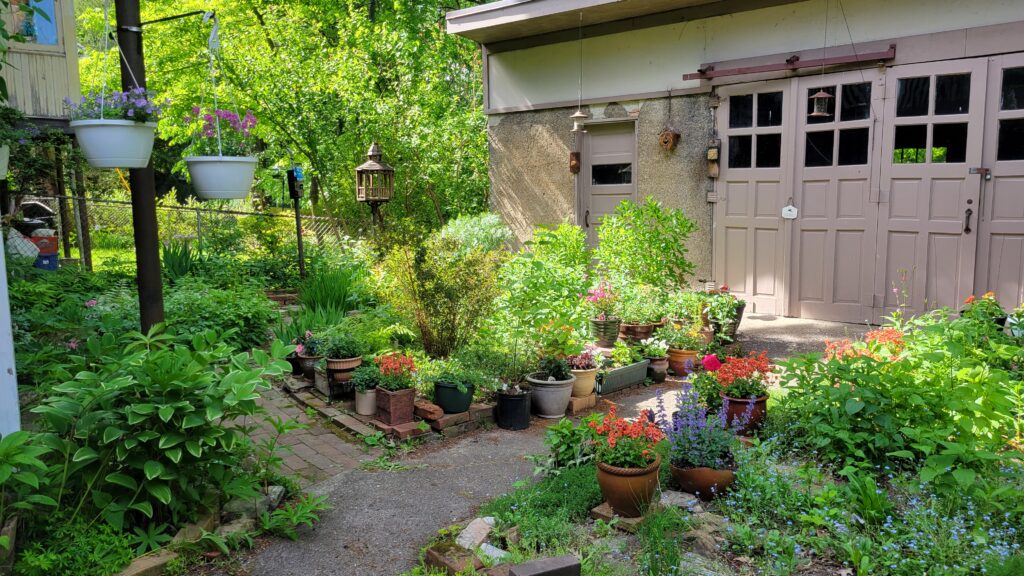
It takes time to cultivate a native plant garden.
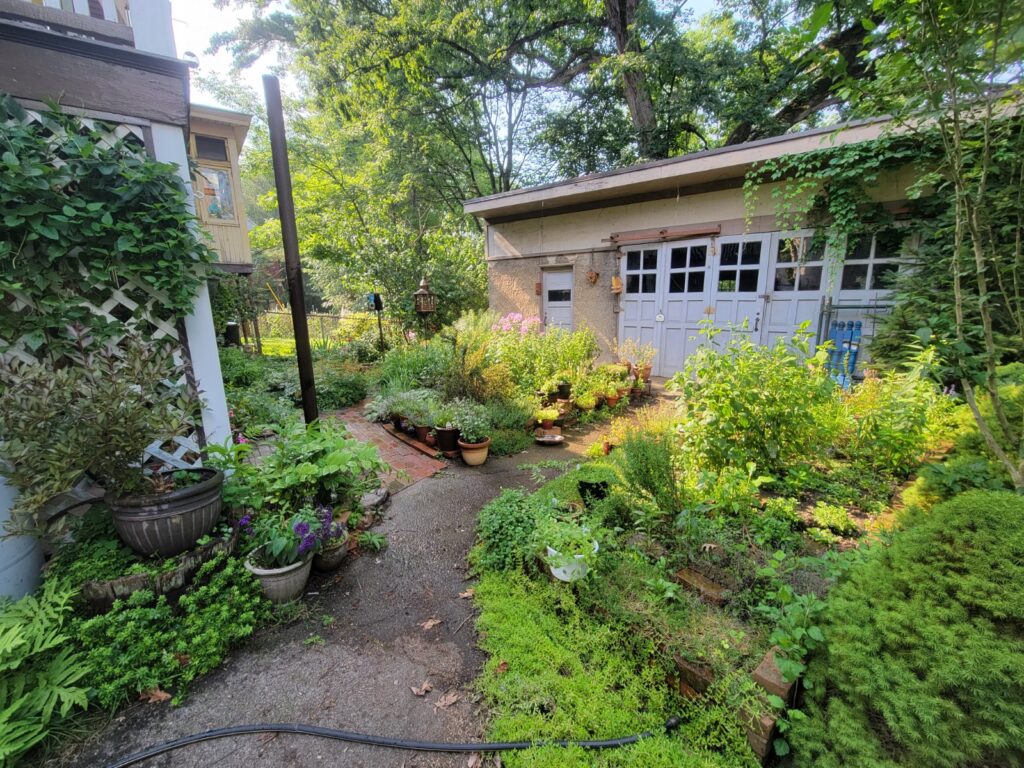
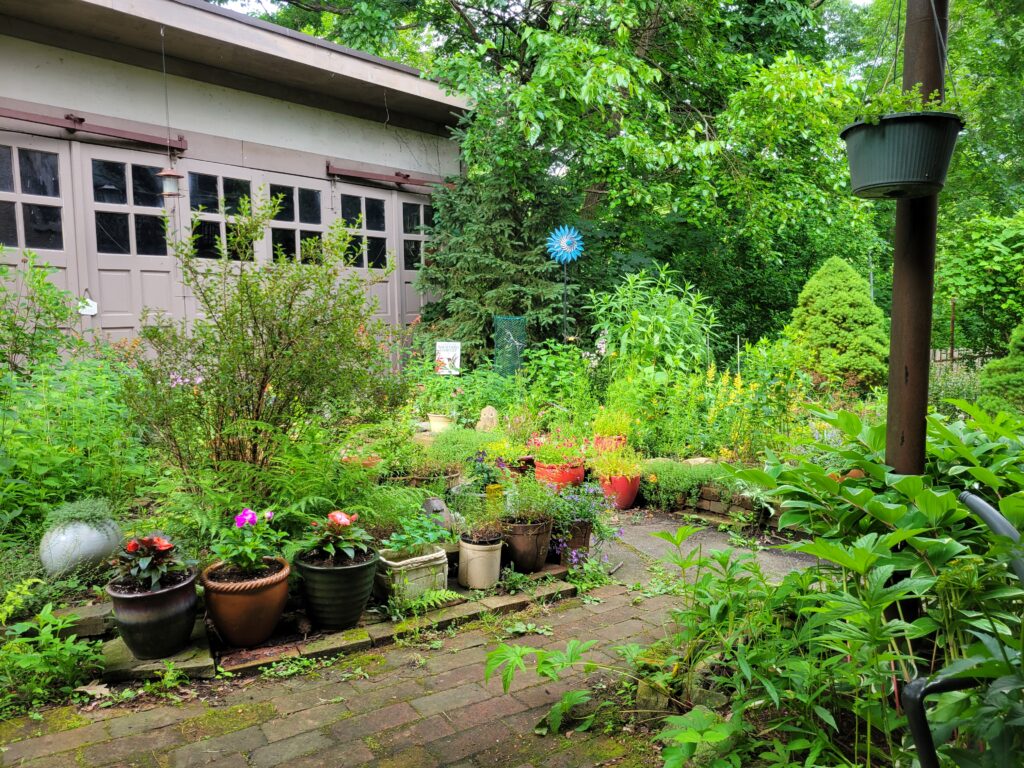
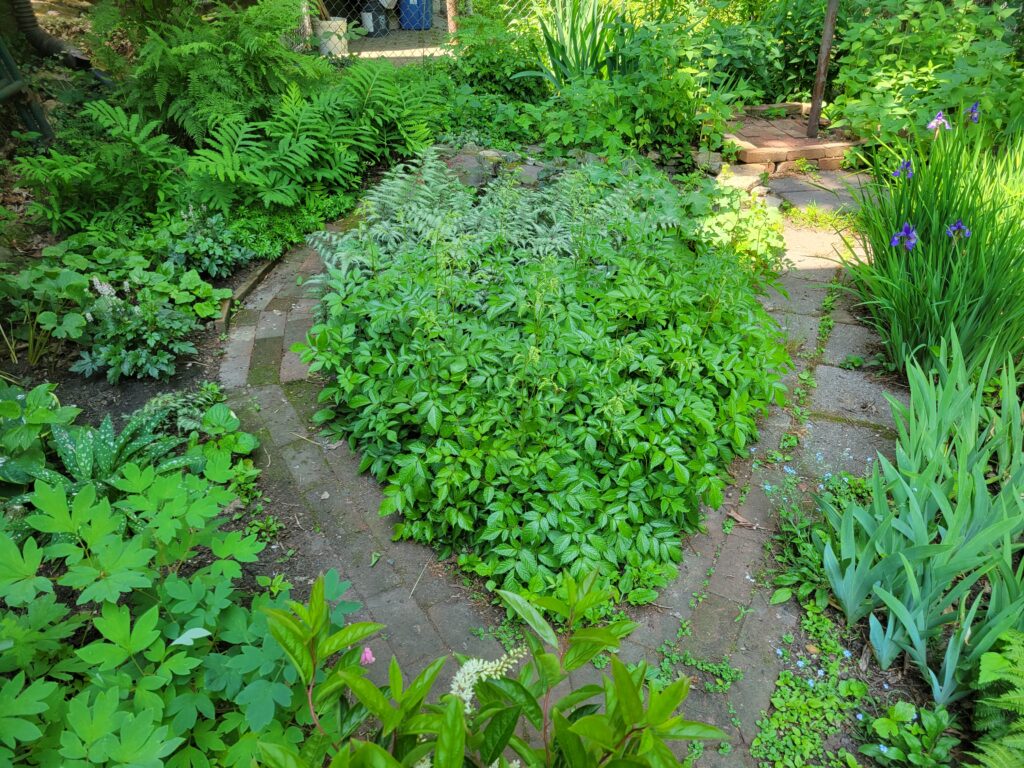
My lawn got smaller and smaller as I replaced it with raised beds (always flowers and herbs since my shady backyard won’t support vegetables). For the first 25 years of gardening, like most people I had no real awareness of the importance of native plants so most of what I had were pretty flowers from garden centers and big box stores.
Clearly, the steps that you’ve taken have paid off. Tell us about earning the certificate from the Audubon Society.
Because of my birding interest, I was already an Audubon member and I read about the Certified Backyard Habitat program in their newsletter. I contacted the Audubon Society of Western PA, and Nick Stahlman inspected my garden and offered advice about how to become certified. I expected it might take a year or so. To my surprise Nick said that I already met the certification requirements and he approved my garden on the spot. He said my garden was “inspiring” which was a huge confidence boost. I already had 75% natives in the garden, plus the compost pile, water feature, brush piles, and bird feeders, all while utilizing 100% organic methods. A few weeks later I had my official yard sign
Thank you, Scott, for sharing your backyard story!
The common thread for native species gardeners is a love of the outdoors, critters and plants alike. If you have a story to share, please contact Linda Ryan at [email protected]
Written by Linda Ryan
Photos by Scott Heberling